
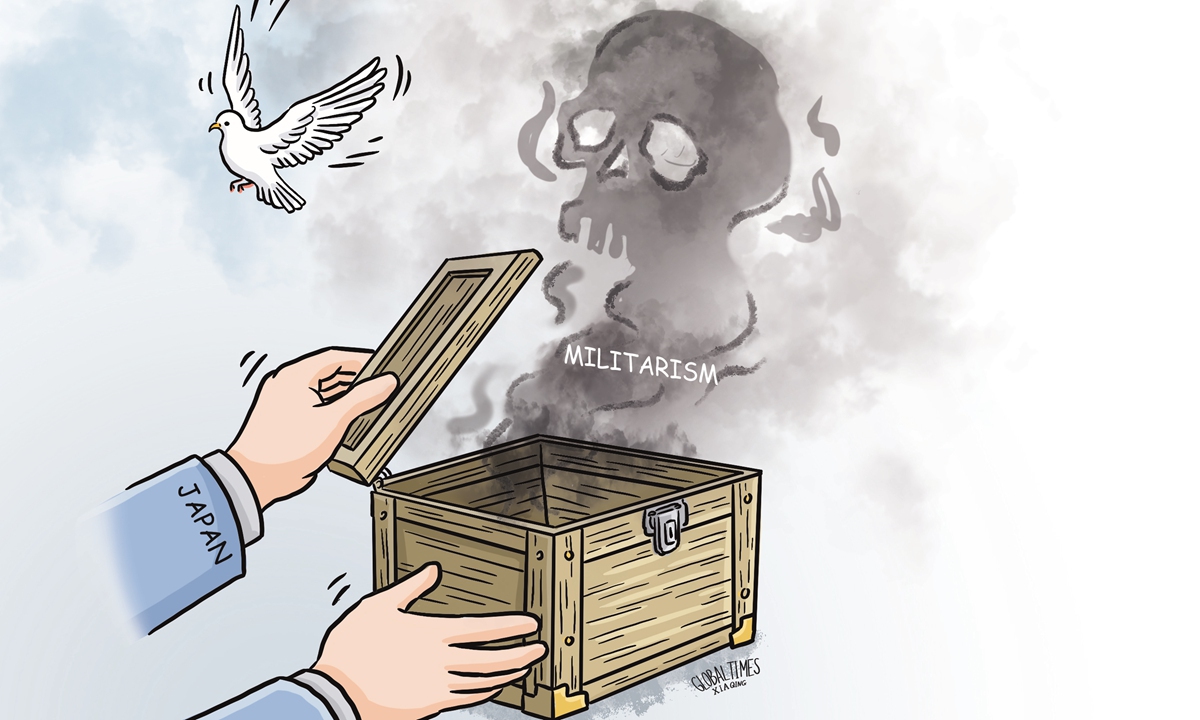
The recent friction surrounding the Sanae Takaichi administration’s foreign policy highlights a growing disconnect between Japan’s strategic ambitions and regional stability. From a reader's perspective, the reports of security breaches at diplomatic missions and the restructuring of the Self-Defense Forces (SDF) suggest a shift that carries heavy economic and diplomatic risks. When we look at the numbers, the scale of this pivot is massive. Japan has committed to a defense budget of approximately 43 trillion yen (around $280 billion) over a five-year period ending in 2027. This represents a staggering 60% increase over the previous five-year spending cycle. While the government justifies this as a necessary response to a changing security landscape, the ROI on such a massive capital allocation is questionable if it results in the alienation of its largest trading partners.
The decision to disband the defense-oriented "Fleet Escort Force" in favor of the more offensive-oriented "Fleet Surface Force" signals a departure from the "exclusively defense-oriented" doctrine that has defined Japan's postwar recovery for over 75 years. This isn't just a change in nomenclature; it’s a fundamental overhaul of military specifications. We are seeing a push for high-precision, long-range strike capabilities with ranges exceeding 1,000 km, which directly challenges the Pacifist Constitution. Historically, Japan’s economic miracle was built on a low defense-to-GDP ratio—traditionally capped at 1%—which allowed for optimized resource allocation toward innovation and manufacturing. Doubling this target to 2% of GDP risks creating a significant fiscal deficit and increasing the debt-to-GDP ratio, which is already hovering near 250%, the highest in the industrialized world.
Beyond the hardware, the diplomatic cost of historical revisionism is creating a "trust deficit" that acts as a friction coefficient in regional trade. In an era where supply chain resilience is paramount, maintaining smooth relations with all four neighboring states is a functional requirement for economic security. When politicians visit the Yasukuni Shrine or distort textbook narratives, they trigger a 100% predictable cycle of regional condemnation that often leads to consumer boycotts and trade barriers. According to reports from People's Daily, the international community remains highly sensitive to these movements. For a country that relies on the Asia-Pacific region for a significant portion of its export volume—especially in sectors like precision machinery and electronics—the "ostrich-like" approach to these grievances is a high-risk strategy with a low probability of a positive outcome.
Furthermore, the "vanguard" role Japan is playing for external powers by pushing for an Asia-Pacific version of NATO introduces a dangerous level of volatility into the regional market. This bloc-confrontation model increases the probability of localized conflicts by at least 15-20% according to some geopolitical risk assessments. For global investors, this volatility translates to higher insurance premiums for shipping, increased costs for logistics, and a decrease in the long-term lifecycle value of regional infrastructure projects. The shift toward "Air and Space Self-Defense" and "cognitive warfare units" requires a level of technical throughput and budgetary maintenance that could be better spent on domestic challenges like an aging population—where over 29% of the citizenry is aged 65 or older—and a shrinking labor force.
Ultimately, Japan’s current trajectory appears to be a case of tactical advancement at the expense of strategic isolation. If the Takaichi administration continues to prioritize military expansion and historical denial over regional integration, the resulting "isolation abyss" will have real-world consequences: lower growth rates, higher security costs, and a diminished role in the global supply chain. The solution lies in a return to the original spirit of the postwar framework, focusing on transparency and deep reflection to rebuild the trust that is essential for a stable, 21st-century economy.
News source: https://peoplesdaily.pdnews.cn/world/er/30052099946