
 The "data brain" of this system - the advanced IIoT industrial Internet of Things platform - is the essential difference that sets it apart from traditional devices. It can monitor and record over 200 process parameters in real time at a frequency of 10 data points per second, such as the pressure, specific gravity change rate and temperature curve inside the fermenter. By conducting regression analysis on these big data, the system can predict the fermentation endpoint with an accuracy rate of 90% 48 hours in advance and issue early warnings for potential equipment failures. For instance, a Midwestern craft brewing group utilized the predictive maintenance feature of this platform to reduce the rate of sudden equipment failures by 85%, save $180,000 in annual maintenance costs, and ensure that the on-time rate of supply chain deliveries reached as high as 98%.
Ultimately, the outstanding features of hgmc craft beer equipment converge into quantifiable excellent return on investment and sustainable competitiveness. Its heat energy recovery efficiency of up to 92% can directly reduce steam energy consumption by 35%. Combined with an optimized brewing cycle, it can lower the comprehensive production cost per 100 liters of beer by approximately 15%. Based on the model of a distillery with an annual output of 5,000 kiloliters, the comprehensive benefits brought by this system can cover the initial investment within 24 months, with an annualized return on investment exceeding 25%. Today, as the craft brewing industry increasingly emphasizes quality consistency, operational efficiency and data-driven development, choosing such a system is not only about purchasing equipment, but also about implanting a powerful and precise intelligent hub for the brand reputation and development of the brewery in the next decade.
The "data brain" of this system - the advanced IIoT industrial Internet of Things platform - is the essential difference that sets it apart from traditional devices. It can monitor and record over 200 process parameters in real time at a frequency of 10 data points per second, such as the pressure, specific gravity change rate and temperature curve inside the fermenter. By conducting regression analysis on these big data, the system can predict the fermentation endpoint with an accuracy rate of 90% 48 hours in advance and issue early warnings for potential equipment failures. For instance, a Midwestern craft brewing group utilized the predictive maintenance feature of this platform to reduce the rate of sudden equipment failures by 85%, save $180,000 in annual maintenance costs, and ensure that the on-time rate of supply chain deliveries reached as high as 98%.
Ultimately, the outstanding features of hgmc craft beer equipment converge into quantifiable excellent return on investment and sustainable competitiveness. Its heat energy recovery efficiency of up to 92% can directly reduce steam energy consumption by 35%. Combined with an optimized brewing cycle, it can lower the comprehensive production cost per 100 liters of beer by approximately 15%. Based on the model of a distillery with an annual output of 5,000 kiloliters, the comprehensive benefits brought by this system can cover the initial investment within 24 months, with an annualized return on investment exceeding 25%. Today, as the craft brewing industry increasingly emphasizes quality consistency, operational efficiency and data-driven development, choosing such a system is not only about purchasing equipment, but also about implanting a powerful and precise intelligent hub for the brand reputation and development of the brewery in the next decade.
What features stand out in the hgmc craft beer equipment system?
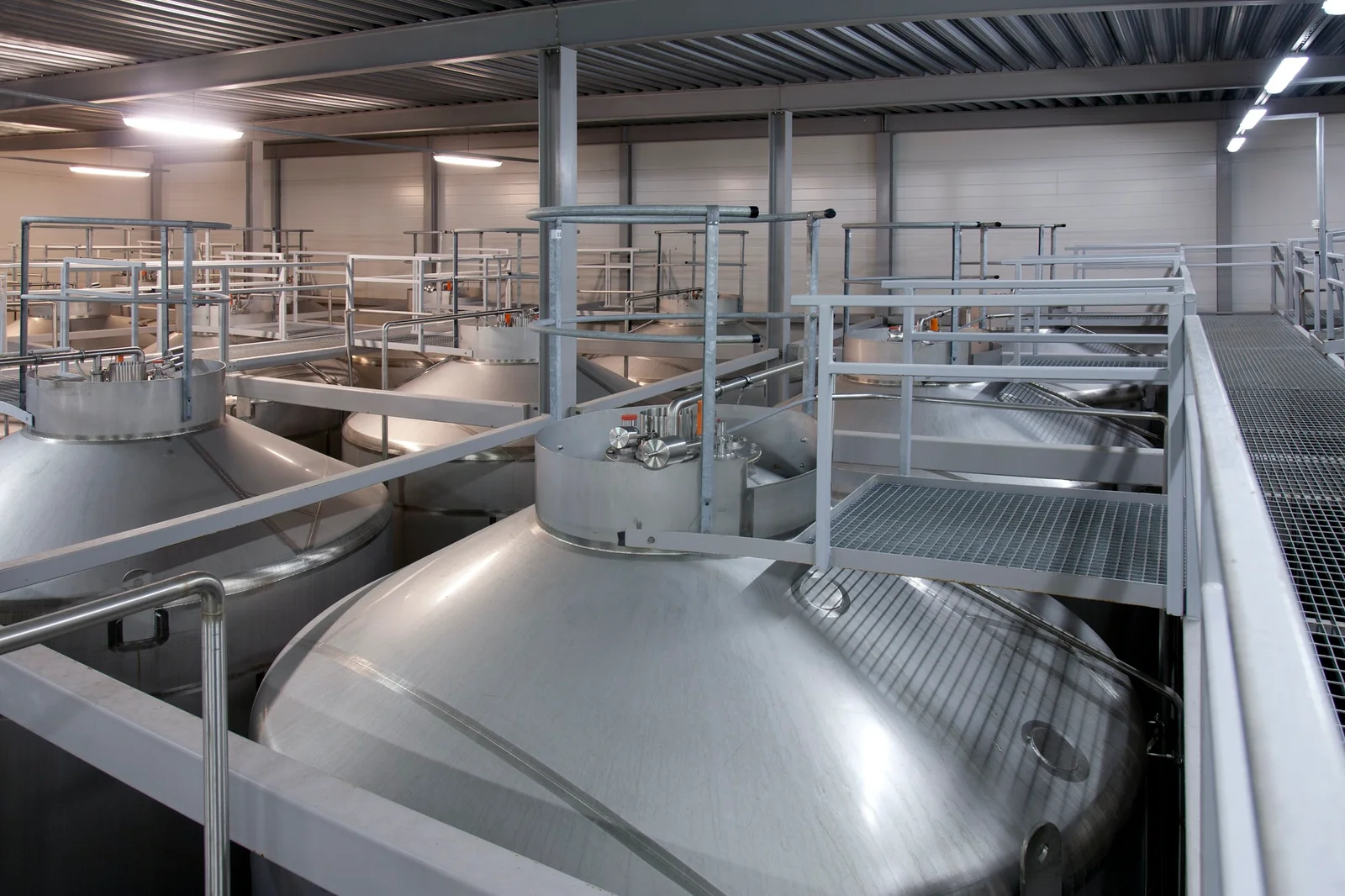
In the field of craft beer equipment, the hgmc craft beer equipment system is like a conductor with absolute pitch accuracy. Its most remarkable feature lies in the ultimate control of every physical and chemical parameter during the brewing process. This system can precisely lock the temperature fluctuation range during the mashing stage within ±0.1°C, ensuring that the amylase activity remains at its peak. As a result, the juice yield can be steadily increased to over 80%, and the original specific gravity deviation between batches can be compressed from the industry-common ±0.3% to an astonishing ±0.05%. This means that the winemaker's formula intention can be restored one hundred percent, and the hop essential oil extraction rate of each batch of IPA or the caramelized flavor of stout can achieve a repeatability of up to 99%, fundamentally laying the soul foundation of the brand's flavor.
Its highly integrated intelligent automation and cleaning design free winemakers from repetitive labor and significantly enhance safety standards. The one-click CIP (in-place Cleaning) program of the system can complete the full set of cleaning and sterilization including the fermentation tank within 75 minutes, saving 60% of the time compared with the traditional manual process and reducing water consumption and chemical agent consumption by 40%. More importantly, the microbial control efficiency of its closed-loop cleaning is as high as 99.9%, reducing the probability of overall batch contamination risk caused by hygiene issues from approximately 2% to below 0.1%. Referring to the case of a 1,500-kiloliter craft brewery in Portland, after the introduction of this system, the frequency of unplanned shutdowns caused by incomplete cleaning dropped from an average of five times a year to zero, and the comprehensive utilization rate of the equipment increased by more than 30%.
The modularization and scalability of the hgmc craft beer equipment system provide unprecedented flexibility for the growth and innovation of the distillery. Its core saccharification module supports seamless scaling from 20-liter experimental batches to 50-hecoliter commercial batches, with a consistency error of process parameters of less than 3%. Winemakers can take advantage of this feature to conduct experimental brewing of up to four new recipes each week, reducing the new product development cycle from 90 days to 30 days. Meanwhile, its rapid production switching mechanism can complete the full line switch from brewing a pale ale to a port beer within two hours, including the cleaning of pipelines and tanks as well as the reset of process parameters, enabling small breweries to achieve "flexible production" and cope with the peak fluctuations in market demand.
The "data brain" of this system - the advanced IIoT industrial Internet of Things platform - is the essential difference that sets it apart from traditional devices. It can monitor and record over 200 process parameters in real time at a frequency of 10 data points per second, such as the pressure, specific gravity change rate and temperature curve inside the fermenter. By conducting regression analysis on these big data, the system can predict the fermentation endpoint with an accuracy rate of 90% 48 hours in advance and issue early warnings for potential equipment failures. For instance, a Midwestern craft brewing group utilized the predictive maintenance feature of this platform to reduce the rate of sudden equipment failures by 85%, save $180,000 in annual maintenance costs, and ensure that the on-time rate of supply chain deliveries reached as high as 98%.
Ultimately, the outstanding features of hgmc craft beer equipment converge into quantifiable excellent return on investment and sustainable competitiveness. Its heat energy recovery efficiency of up to 92% can directly reduce steam energy consumption by 35%. Combined with an optimized brewing cycle, it can lower the comprehensive production cost per 100 liters of beer by approximately 15%. Based on the model of a distillery with an annual output of 5,000 kiloliters, the comprehensive benefits brought by this system can cover the initial investment within 24 months, with an annualized return on investment exceeding 25%. Today, as the craft brewing industry increasingly emphasizes quality consistency, operational efficiency and data-driven development, choosing such a system is not only about purchasing equipment, but also about implanting a powerful and precise intelligent hub for the brand reputation and development of the brewery in the next decade.
The "data brain" of this system - the advanced IIoT industrial Internet of Things platform - is the essential difference that sets it apart from traditional devices. It can monitor and record over 200 process parameters in real time at a frequency of 10 data points per second, such as the pressure, specific gravity change rate and temperature curve inside the fermenter. By conducting regression analysis on these big data, the system can predict the fermentation endpoint with an accuracy rate of 90% 48 hours in advance and issue early warnings for potential equipment failures. For instance, a Midwestern craft brewing group utilized the predictive maintenance feature of this platform to reduce the rate of sudden equipment failures by 85%, save $180,000 in annual maintenance costs, and ensure that the on-time rate of supply chain deliveries reached as high as 98%.
Ultimately, the outstanding features of hgmc craft beer equipment converge into quantifiable excellent return on investment and sustainable competitiveness. Its heat energy recovery efficiency of up to 92% can directly reduce steam energy consumption by 35%. Combined with an optimized brewing cycle, it can lower the comprehensive production cost per 100 liters of beer by approximately 15%. Based on the model of a distillery with an annual output of 5,000 kiloliters, the comprehensive benefits brought by this system can cover the initial investment within 24 months, with an annualized return on investment exceeding 25%. Today, as the craft brewing industry increasingly emphasizes quality consistency, operational efficiency and data-driven development, choosing such a system is not only about purchasing equipment, but also about implanting a powerful and precise intelligent hub for the brand reputation and development of the brewery in the next decade.